
East Durham:
Our Future Under Threat
The East Durham Action Group stands united against the uncontrolled expansion of industrial solar and battery storage developments. These massive projects threaten to irreversibly scar our cherished landscapes, consume vital farmland, and disrupt the very fabric of our communities across the region.
In the Media
Watch BBC
Politics North
Hear Directly From South Hetton Residents as BBC Politics North Examines the Carr’s Farm application
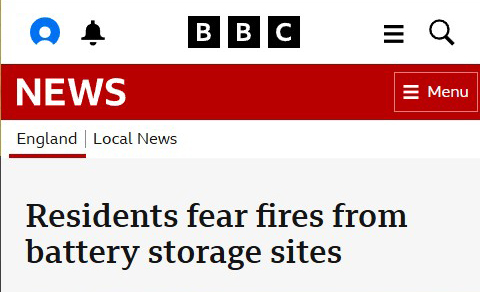
Source: BBC News —
South Hetton Carr’s Farm planning application
The Alarming Scale of Industrial Sprawl in Durham
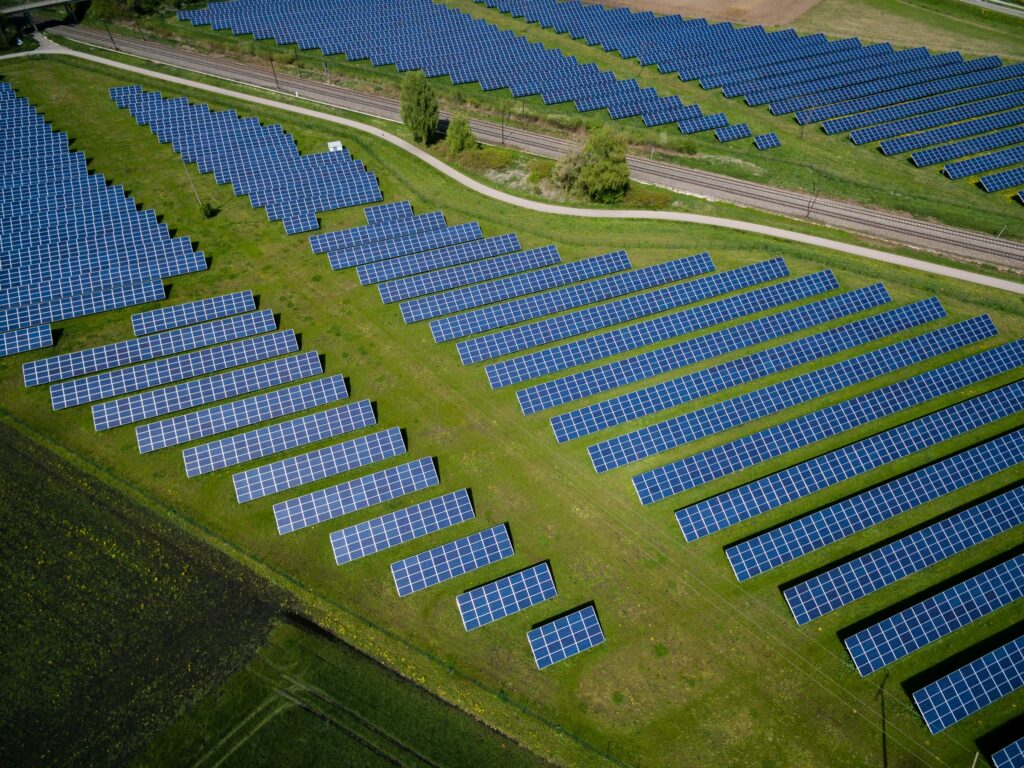
East Durham Under Siege: Over 900 Acres Targeted
Our precious East Durham landscape, including vital agricultural land, faces an imminent threat. Over 900 acres are already approved or pending for industrial green energy developments. Developers are strategically exploiting our grid proximity and fragmented planning oversight, allowing them to bypass crucial Environmental Impact Assessments and convert productive farmland into vast industrial sites.
County-Wide Crisis: 3,400 Acres Facing Irreversible Change
Across the entirety of County Durham, a staggering 3,400 acres of agricultural land are earmarked for conversion. This unchecked proliferation is eroding our democratic processes as local objections are repeatedly overturned on appeal, silencing community voices in critical planning decisions and permanently altering our cherished countryside.
901
Acres in East Durham
Prime agricultural land already approved or pending for development, irrevocably changing our landscape.
26%
East Durham’s Disproportionate Burden
East Durham bears over a quarter of County Durham’s total proposed industrial developments.
3,400
County-Wide Total at Risk
A staggering amount of vital agricultural land across Durham County is threatened with industrialisation.
A Critical Call to Action
Durham County Council: Defend Our Future Now!
East Durham communities are facing an existential struggle, eerily reminiscent of past industrial exploitation—only this time, it’s cloaked in a “green” banner. This misguided path not only jeopardizes our cherished landscapes and community safety but also undermines the very foundations of national food security, threatening irreversible damage to our heritage and well-being.
Impose an Immediate Moratorium
Demand an immediate halt to all new applications for energy projects. A comprehensive policy review is essential to re-establish safety, ensure genuine sustainability, and restore democratic accountability before any further irreversible harm is done.
Fortify Community Safeguards
Implement and rigorously enforce essential buffer zones around communities. Mandate transparent, independent risk assessments and ensure formal consultation with fire services on all Battery Energy Storage System (BESS) applications to protect lives and property.
Protect Our Landscapes
Redirect energy developments to appropriate, less impactful locations. A truly responsible and equitable transition must not sacrifice the very communities and natural landscapes that define our region.
Irreversible Damage:
The Agricultural and Environmental Toll
Soil Compaction Crisis Deepens
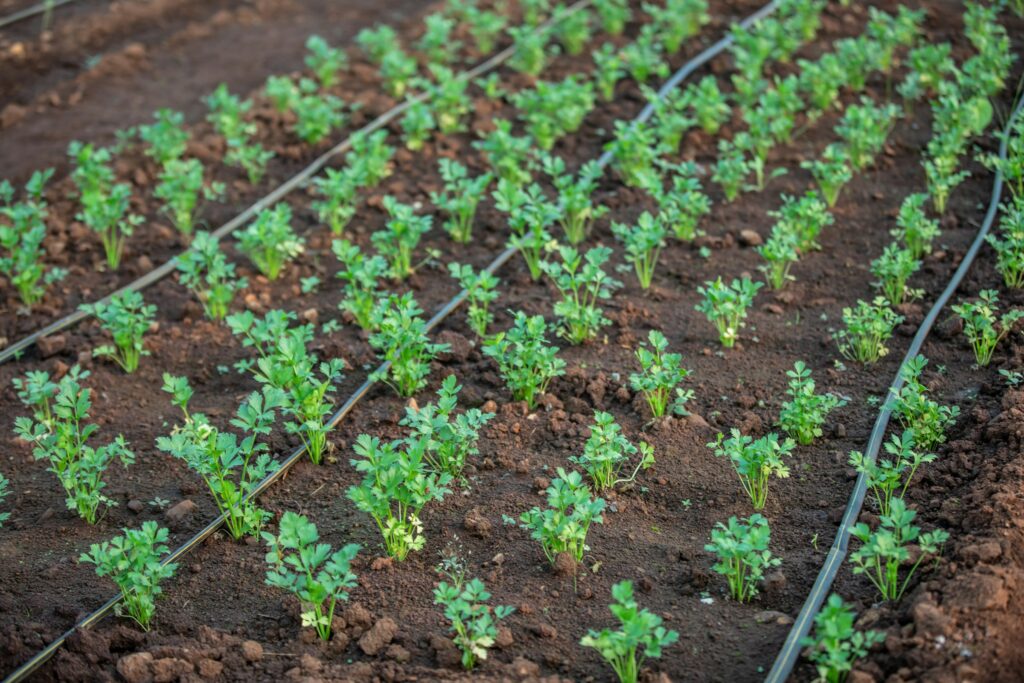
The relentless intrusion of heavy machinery and extensive cable trenches actively sabotages the UK’s vital 25-year Soil Recovery Plan. This severe soil compaction already inflicts a staggering £1.2 billion annual loss in agricultural productivity, a devastating impact that threatens to be irreversible, permanently degrading fertile land.
Permanent Loss of Productive Land
With support structures buried up to four meters deep, the notion of agricultural reclamation becomes virtually impossible. The invaluable fertility of topsoil, once compromised, requires decades—if not centuries—to recover, effectively consigning this land to perpetual industrial use.
Grave Threat to National Food Security
This widespread conversion of prime agricultural land directly contravenes the National Planning Policy Framework’s mandate to protect “best and most versatile” farmland. With the UK now producing only 65% of its own food, a sharp decline from 78% in 1984, sacrificing arable land escalates a critical national food security vulnerability.